See prices From 16.5 EUR · Free cancellation available
Contents
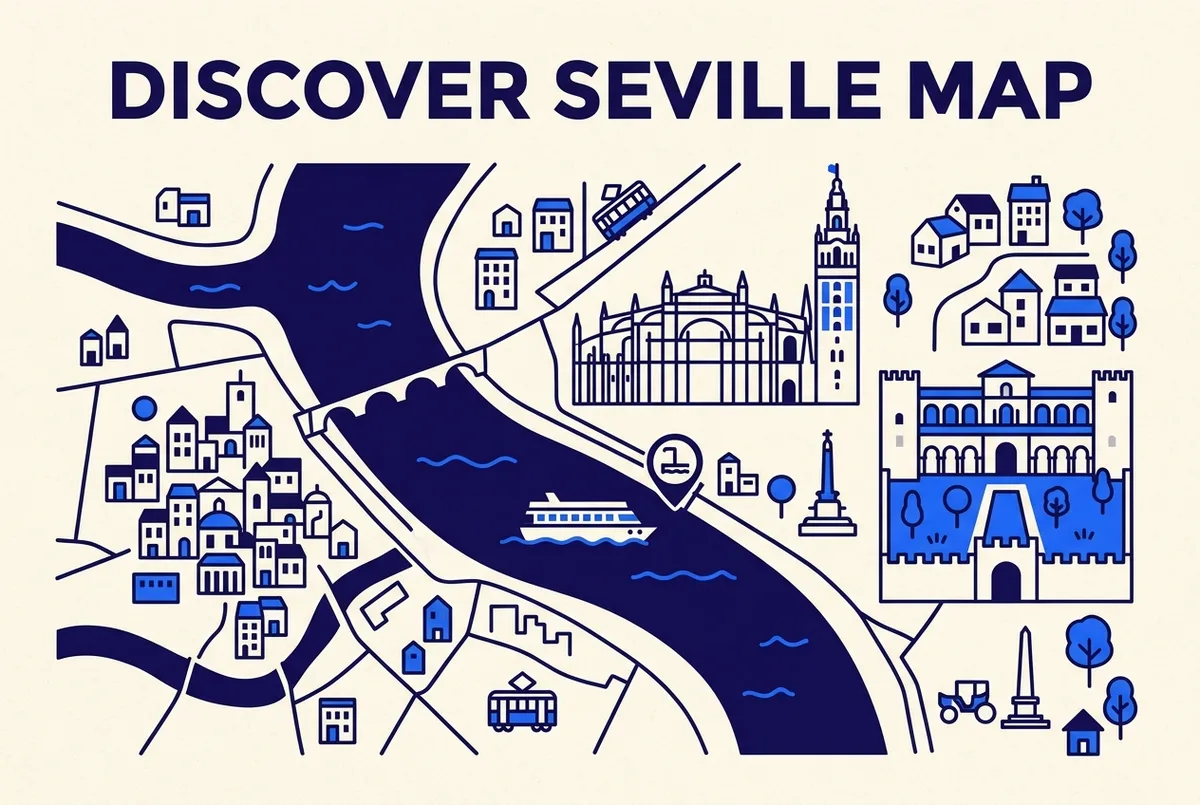
Seville activities split into a short list that genuinely earns a place on any first visit and a much longer list of things you’d only get to on a second or third trip. I’d prioritize ruthlessly here rather than trying to cram in everything you’ve read about: the Cathedral and Giralda tower, the Real Alcázar, the Triana neighborhood across the river, a flamenco show, and a short river cruise cover the core of what makes Seville Seville. Everything else is genuinely good, but secondary.
This page is a narrative overview of the city’s attractions, not a product comparison table, so I’m writing it the way I’d actually talk you through a first visit rather than listing ticket prices one after another. If you want the full product by product breakdown of every Guadalquivir cruise option instead, stack every Seville river cruise up against each other before you book on the dedicated comparison page, since that’s a different job than this one.
What Are the Must See Attractions in Seville?
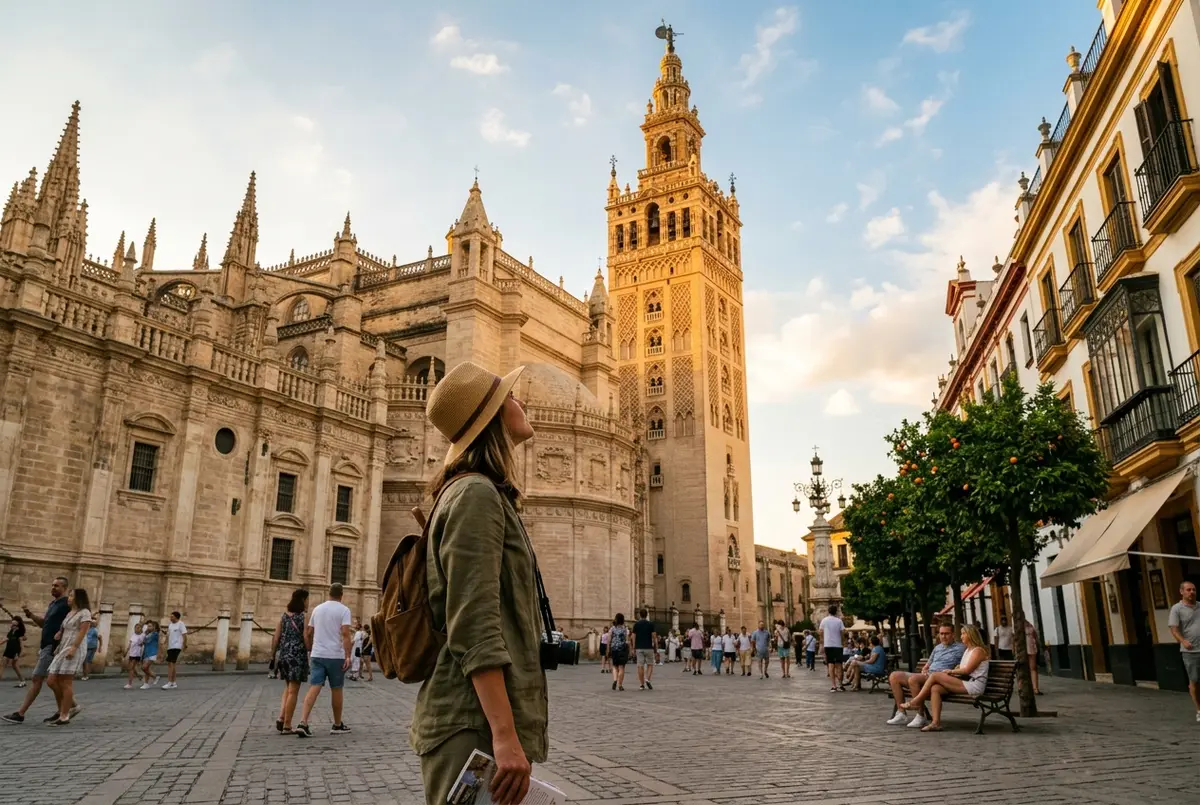
The Cathedral and its Giralda bell tower top this list for me, not because every guidebook says so, but because the scale genuinely surprises people who’ve only seen photos. The Real Alcázar runs a close second, a working royal palace with gardens that easily swallow two or three hours if you let them. I’d book both well in advance, since timed entry slots sell out during busy periods, and arriving without a slot means standing in a queue that eats half your morning.
Beyond those two, the Plaza de España is worth a visit for the architecture alone, even though it’s smaller in scope than the Cathedral or the Alcázar. I wouldn’t spend more than 45 minutes there unless you’re specifically chasing photos, since it’s a single square rather than a multi hour sight.
Check prices & dates
Ready to visit?
Book your tickets in advance: popular time slots sell out.
Yes, and I think it’s underrated relative to how much guidebook attention it gets compared to the historic center. Triana sits across the Guadalquivir from the main tourist core, traditionally the home of Seville’s ceramics craft and a strong claim to the city’s flamenco roots. I’d walk across one of the bridges rather than take transport, since the view back toward the Torre del Oro and the cathedral from the river is one of the better free moments in the whole city.
Once you’re there, the ceramics shops along Calle Alfarería are worth a slow browse even if you don’t buy anything, and the neighborhood has a noticeably more local, less touristy feel than the streets around the Cathedral. I’d pair a Triana walk with seeing the same stretch of riverbank from the water on a cruise, since the two views complement each other more than you’d expect.
Should You See a Flamenco Show in Seville?
I’d say yes, if you’ve never seen flamenco performed properly, since Seville has a genuine claim to the art form that a flamenco show somewhere else in Spain doesn’t carry the same way. I would not book the cheapest, most touristy looking venue purely on price, quality varies a lot between venues, and a mediocre show leaves a worse impression of the art form than skipping it entirely.
I’d rather you research the specific venue’s reputation a little before booking than assume any flamenco show delivers the same experience. Several venues around the city run nightly performances, and timing one for an evening when you don’t have anything else planned afterward works best, since a good show runs long enough that you won’t want to rush off right after.
What’s the Best Way to See the Guadalquivir River?
A short river cruise, in my honest opinion, and I’d book it early in your trip rather than treating it as an afterthought. The Guadalquivir river eco cruise runs about an hour from a dock near the Torre del Oro, past the bullring and along the stretch of river that borders Triana, giving you a different angle on landmarks you’ll otherwise only see from the street.
I like recommending this one specifically as a first activity because it needs no advance timed entry the way the Cathedral and Alcázar do. You can decide the morning of and still get a seat, which makes it the flexible piece of an itinerary built around two or three attractions that do need booking ahead.
Are There Good Free Things to Do in Seville?
Plenty, and I wouldn’t assume a good day in Seville has to be an expensive one. Walking through the Santa Cruz quarter’s narrow lanes costs nothing and ranks among my favorite ways to spend an hour here. The Plaza de España and the Parque de María Luisa surrounding it are free to enter and genuinely beautiful. Crossing into Triana on foot and wandering the riverside promenade on either bank is another free option that rewards an unhurried pace more than a rushed checklist approach.
I’d build at least one day around a mix of free walking and a single paid attraction rather than stacking paid sights back to back every day, since Seville’s streets themselves are a big part of the appeal.
What Are the Best Things to Do in Seville on a Weekend?
Weekends bring more crowds to the major sights, so I’d book Cathedral and Alcázar entry for the earliest available slot if your visit falls on a Saturday or Sunday specifically. Seville’s events calendar is worth checking before you finalize weekend plans too, since a festival or a local holiday can either add a great atmosphere to your trip or close museums you were counting on, depending on timing.
Evenings on a weekend tend to run later and livelier than weekday nights, which I think plays well with timing a flamenco show or a sunset river cruise for a Friday or Saturday rather than a quieter weeknight.
Is a Hop On Hop Off Bus Worth It in Seville?
For a first morning orientation, I think it genuinely is, and I wouldn’t dismiss it as purely a tourist gimmick. The hop on hop off bus route covers most of the major sights in one loop, which helps you build a mental map of the city before you commit to walking between specific attractions on foot. I would not rely on it as your only way to see Seville, though, since you’ll want to walk through Santa Cruz and Triana properly rather than just glancing at them from a bus window.
What Should Families with Kids Prioritize?
I’d lean toward the Plaza de España, a relaxed walk through Triana, and the river cruise specifically for a family day, since none of the three demand much walking stamina from younger kids and all three hold visual interest without needing much explanation. The Cathedral and Alcázar are still worth doing with kids, but I’d keep the visit shorter and more focused than you might with adults only, since both sights reward a slower pace that young children don’t always have the patience for.
A flamenco show works for families too, in my experience, more than people expect, the rhythm and movement tend to hold a child’s attention even without understanding the cultural context behind it.
How Many Days Do You Need to See Seville Properly?
I’d budget at least three full days for the core list on this page: a day for the Cathedral and Alcázar, a day split between Triana and the riverside including a cruise, and a day for Plaza de España, Santa Cruz, and a flamenco show in the evening. Seville’s own day trips are worth adding as a fourth or fifth day if you have more time, but I would not shortchange the city itself by rushing straight into day trips before you’ve properly seen what’s actually in Seville.
If you’re tight on time and have to choose, I’d protect the Cathedral, the Alcázar, and the river cruise before anything else on this list, since those three together give you the clearest sense of the city’s history, grandeur, and daily rhythm on the water.
What’s Commonly Overrated or Overrated in Seville?
I wouldn’t call anything on the core list overrated, but I do think some visitors over plan the Plaza de España relative to its size, treating it as a half day activity when 30 to 45 minutes genuinely covers it well unless you’re a dedicated photographer. On the other side, I think Triana is underrated relative to how little guidebook space it gets compared to the historic center, and I’d actively push back against any itinerary that skips it entirely in favor of more time in already crowded central streets.
Is Shopping Worth Building Into Your Seville Itinerary?
I wouldn’t make shopping a priority on a first visit, but I also wouldn’t skip it entirely if it’s near something else you’re already doing. Triana’s ceramics shops are the one category I’d genuinely recommend seeking out, since the tradition runs deep in that neighborhood and the pieces travel home better than most souvenirs. The streets around the Cathedral carry the usual mix of souvenir shops and a few genuinely good leather goods stores, but I’d treat that area as a browse while you’re already there rather than a dedicated outing.
Calle Sierpes, the pedestrian shopping street running through the center, is worth a walk even if you don’t buy anything, since it gives you a feel for how locals actually use the city center outside the main tourist sights. I would not plan a half day around it, though, a slow 20 minute walk through on your way between two other things covers what most visitors need from it.
What’s the Best Way to Combine These Attractions Into a Realistic Day?
I’d group activities by location rather than by type, since Seville’s center is compact enough that backtracking across town wastes more time than people expect. A morning built around the Cathedral and Alcázar works well together, since they sit close to each other and both benefit from an early slot before the midday heat and the crowds build up. An afternoon or evening centered on the riverside, a cruise followed by a walk across to Triana or a sunset drink on that side of the river, makes a natural second half of the day.
I would not try to cram the Cathedral, the Alcázar, Triana, and a flamenco show into a single day. Each of those deserves enough unhurried time that stacking all four together just means rushing through everything, and I’d rather you properly enjoy three things than speed through five. Spreading the core list across two or three days, the way I outlined above, gives each attraction the attention it’s actually worth.
Are Guided Walking Tours Worth It in Seville?
For Santa Cruz and the Cathedral area specifically, I think a guided walk adds real value, since the quarter’s layout and history reward someone pointing out details you’d otherwise walk straight past. I’d be more selective about paying for a guide in Triana, though, the neighborhood’s appeal is more about atmosphere than specific facts, and a slower, unguided wander often captures that better than a scheduled tour with a fixed pace.
If budget is a concern, I’d spend on a guide for the Alcázar specifically, since the palace’s layout and symbolism benefit the most from context, and treat the rest of your walking time in the city as something to do at your own pace instead.
How Does the River Fit Into Seville’s Identity as a City?
It’s easy to treat the Guadalquivir as scenery rather than substance, and I think that undersells how much the river actually shaped Seville. The city grew as an inland port, with goods and people moving up the river long before roads or rail connected it to the rest of Spain, and that history sits behind nearly every landmark you’ll see from the water on a cruise. The Guadalquivir itself is one of Spain’s major rivers, and its route through the city is a big part of why Seville became the inland port it did.
I’d genuinely recommend doing the river cruise before you commit to a full day on foot elsewhere, since seeing how the landmarks line up along the water gives you a mental map that makes the rest of your walking in the city click into place faster.
Frequently Asked Questions
What is Seville best known for?
The Cathedral and Giralda tower, the Real Alcázar, flamenco, and its position on the Guadalquivir river, which has shaped the city’s history as a port for centuries.
How many days do you need in Seville?
I’d budget at least three full days for the main attractions, more if you’re adding day trips to Córdoba or Ronda.
Is Seville walkable?
Yes, the historic center is compact and mostly flat, and I’d default to walking for anything within Santa Cruz, the Cathedral area, and the riverside promenade.
What’s the best free activity in Seville?
Walking through Santa Cruz and crossing into Triana on foot, both cost nothing and reward an unhurried pace better than almost any paid attraction on this list.
Should you book Seville attractions in advance?
Yes for the Cathedral and the Real Alcázar specifically, since timed entry slots sell out during busy periods. The river cruise and a flamenco show are more flexible and can usually be decided closer to the day.
My honest recommendation: protect the Cathedral, the Alcázar, and a river cruise as the non negotiable core of a first visit, add Triana and a flamenco show as the next priority, and treat everything else on this page as a bonus you fit in around those five rather than the other way around. A day trip can always wait for a day when the city itself feels fully covered.